The problem
We throw away food we forgot we had
Half-used vegetables, an extra carton, the thing pushed to the back of the shelf — most food waste isn’t careless, it’s just forgotten. People usually have good intentions; what they don’t have is an idea for dinner that uses what’s already there.
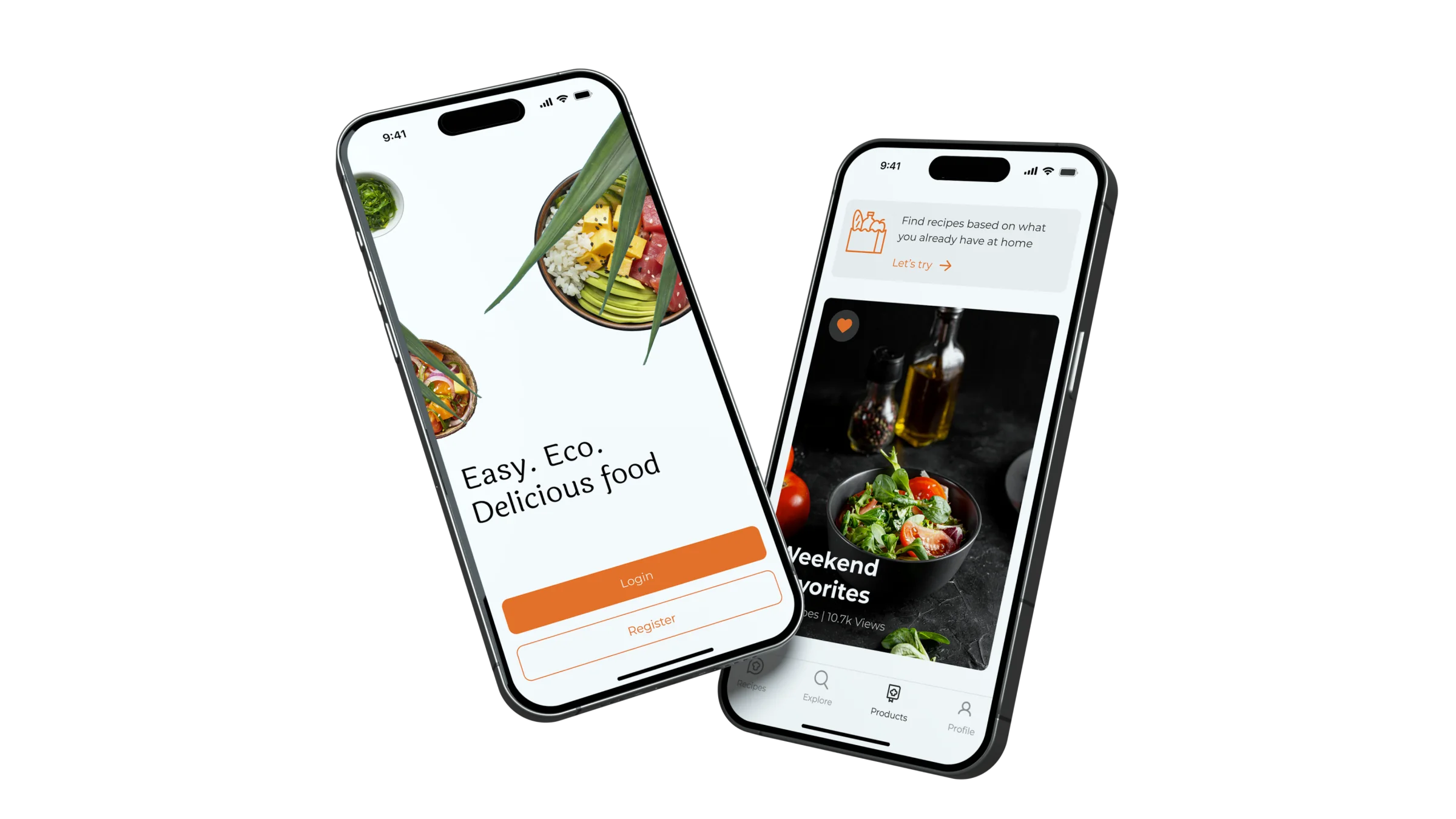
The startup had the idea and the AI behind it. My job was the app itself: making it useful enough day to day that using up what you have doesn’t feel like extra work.
What I learned first
Two different cooks, one common wish
I started with interviews and empathy mapping, which pointed to two people the app had to work for. Mia — a busy parent, short on time and cooking around a gluten intolerance. Tom — a student watching both his budget and his footprint, tired of takeout.
Different lives, but the same wish: tell me what I can make right now with what I already have, without the planning.
Age 36Ottawa, ONSpouse & child
Mia juggles a toddler and part-time HR work. She enjoys cooking and already pays attention to food waste, but could use tools to cook and eat more efficiently. She's gluten intolerant, which makes finding recipes harder, and it bothers her when even a little food goes to waste.
Goals
- Cook fun, new, gluten-free recipes that challenge and entertain
- Limit how much food ends up in the compost
Frustrations
- Too many recipe suggestions get overwhelming
- Forgetting leftovers in the fridge — smelly and wasteful
“ Cooking for my family is a delight — I just want to know it will all get eaten. ”
Age 21Kelowna, BCSingle
Tom studies at a community college and works full-time in customer service. Living alone, he finds it easier to order takeout or grab ready-to-eat food — but it's expensive and wasteful. He'd like to cook more, but there's little spare time right now. He worries less about food waste itself and more about his budget and the environment.
Goals
- Get into a rhythm where he can cook at least once a week
- Reduce food waste, as long as it's easy
Frustrations
- Fresh ingredients are expensive and go bad quickly
- Ordering out creates waste — excess packaging and large portions
“ Who has time to cook — I barely have time to eat. ”
What I designed
A few decisions, and why I made them
A good recommendation engine isn’t enough on its own — people have to trust it and actually open it. These were the main choices aimed at that.
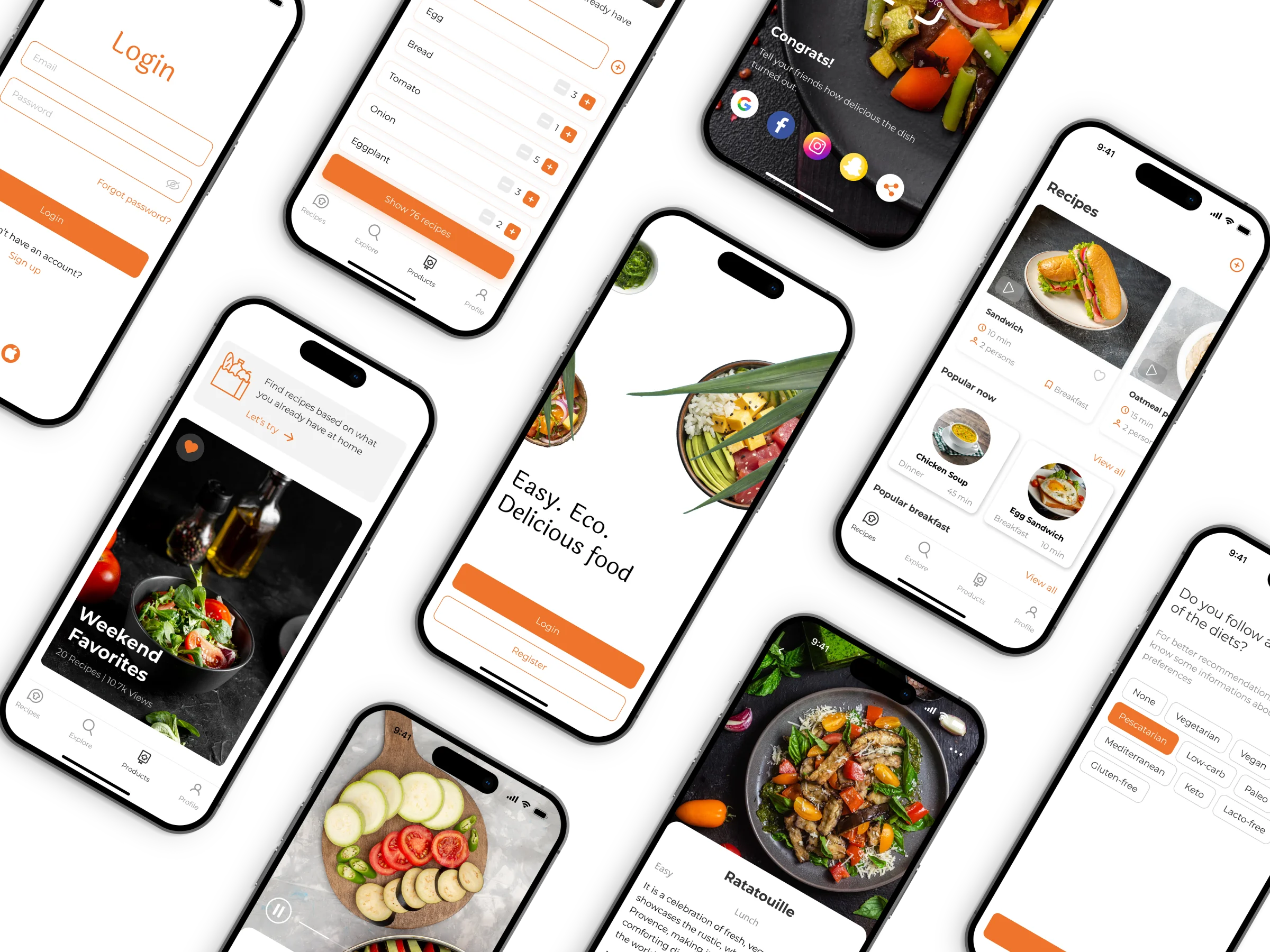
Start with what’s in the fridge
Ingredient-first input with auto-complete, so adding what you have takes seconds. The quicker that step, the more likely people are to use the app at all.
Recipes that fit real diets
Dietary filters mean a gluten-free cook isn’t handed meals she can’t eat, so the suggestions feel relevant rather than generic.
Show what you’ve saved
A simple stats view shows how much food — and money — you’ve saved over time, which makes the habit easier to keep up.
Keep the AI in the background
The suggestions sit inside a plain, clear interface, so a new feature feels approachable instead of gimmicky from the first try.
How I knew it worked
Tested with real people, then adjusted
I ran five usability sessions with people from the target audience. The core idea was clear to them, and three concrete improvements came out of watching them use it:
People wantedFaster ingredient entry
→
So I addedAuto-complete on input
People wantedRecipes that match their diet
→
So I addedDietary filters
People wantedTo see the difference they were making
→
So I addedA “food saved” statistics view
From a startup idea to a tested product
ZeroWaste went from an idea and an AI engine to a high-fidelity app shaped by real user feedback — something the team could take into development with the core flows already tested.
What I took from it
- The mission only works if the app is easy to use. People won’t cut food waste through an app that’s a hassle, so the focus stayed on making it genuinely useful day to day.
- New tech still has to earn trust. A clear interface and visible results helped people treat the AI as something dependable rather than a novelty.